Intelligent Analysis Tool for Landscape Architecture Aesthetic Cognition
I.Problems Addressed and Product Positioning
In the field of landscape architecture, when seeking to understand tourists’ aesthetic preferences, two types of challenges are often encountered. First, traditional methods rely on small-sample experiments (like measuring responses with neuroscientific equipment), characterized by small sample sizes and high costs, which makes it difficult to reflect the true perceptions of the general public; or only analyze text reviews, missing the visual information in tourists’ photos (such as plant and water layout), making it difficult to delve into ‘which types of scenes are more popular’. Second, quantifying cross-cultural cognitive differences is challenging. For example, overseas tourists often confuse Chinese garden styles with Japanese ones, but it is difficult to identify the reasons through traditional methods.
To solve these critical issues, we have developed a prototype of an intelligent analysis tool for landscape architecture aesthetic cognition based on deep learning. Rather than replacing manual analysis, it is positioned as an ‘auxiliary mining tool for cognitive laws’ by integrating image-text data from social media (such as garden photos and comments taken by tourists). It automatically extracts scene elements (such as water and buildings), analyzes emotional tendencies, and identifies aesthetic preferences and cognitive issues.This tool adapts to three types of scenarios: cultural communication institutions (to optimize Chinese gardens’ overseas communication), garden operators (to adjust landscape layouts), and tourism promotion teams (to design targeted promotional content). It provides data support for aesthetic-related decisions.
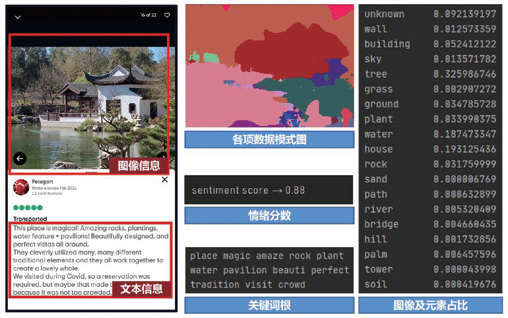 Figure 1 Database Information Types and Purposes
II. Practical Value and Effectiveness
Based on tests, the tool has been able to address core needs:
Efficiency has been dramatically improved. Traditional manual analysis took 7 days to process 10,000 social media records, whereas the tool now processes over 500,000 records in 24 hours. It can also classify scenes automatically (like functional spaces and aesthetic spaces).
Precise cognitive mining. It identifies tourists’ preferences (such as natural lakes > formal pools in evoking positive emotions and top-rated scenes include architecture + plants + water + stones) and pinpoints issues (such as overseas tourists confusing Chinese courtyards with Japanese ‘Zen’ style).
The tool offers comprehensive data dimensions. Unlike single text analysis, it integrates both textual sentiment and image element ratios (such as a 2:1 plant-to-building ratio correlates with higher tourist positivity), and makes conclusions more aligned with actual visiting experiences, providing specific directions for design adjustments.
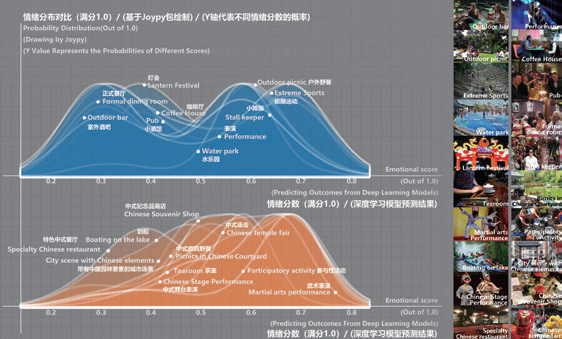 Figure 2 Functional Space Emotional Distribution Probability Stacked Analysis Chart
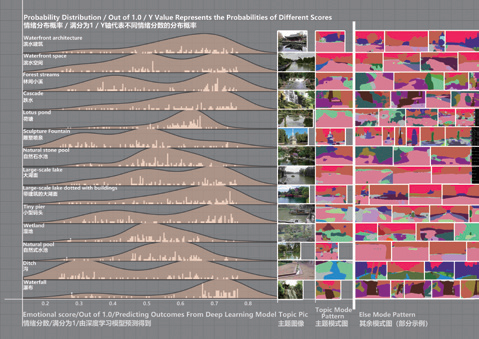 Figure 3 Water Space Emotional Distribution Probability Statistics and Subcategory Thematic Patterns
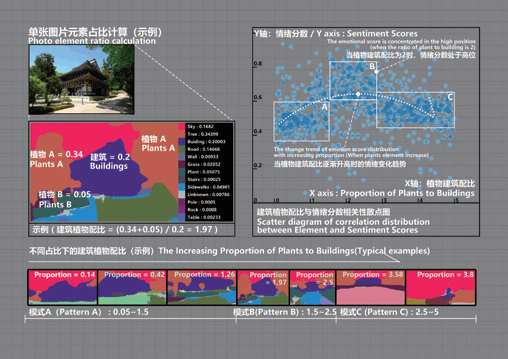 Figure 4 Correlation Analysis between Architecture-Plant Ratio and Emotional Score Probability Distribution
Currently, the tool has been adapted to overseas Chinese garden scenarios, while it still has space for improvement in some areas, such as multi-regional gardens (domestic urban parks), multilingual data (comments in minor languages), and integration with garden operation and management platforms (to enable real-time analysis of tourist feedback). If you are a cultural communication company seeking to optimize overseas promotion strategies for Chinese gardens, a garden management entity needing to adjust landscapes to enhance tourist experiences, or a tourism institution aiming to design targeted promotional content, please feel free to contact us. We offer tailored solutions to customize scenario-specific analysis modules (like aesthetic evaluation for classical Chinese gardens) or integrate data interfaces with existing systems. This not only ensures technology fits actual needs but also accelerates the adoption of academic achievements into industry practices.