
Landscape Architecture Generative Design Vectorization Assistant Tool
I.Problems Addressed and Product Positioning
In landscape architecture generative design, practitioners often face three types of efficiency bottlenecks: First, most generative design outputs are raster data (e.g., JPG, PNG), which cannot be directly imported into design software such as CAD and Rhino. Manual vectorization requires tracing elements one by one, and adjusting 7 types of design elements (structures, green spaces, roads, etc.) for a single site takes 1-2 days. Second, general vectorization tools are not tailored to landscape scenarios—for example, they cannot distinguish between "cloud-shaped planting areas" and "ordinary green spaces," and road centerline extraction is prone to distortion. Third, vectorized data is difficult to connect with subsequent links—modeling requires re-modeling, and scheme evaluation needs manual calculation of indicators such as green space ratio, resulting in time waste from repeated work.
To address these challenges, we have developed a prototype of the Landscape Architecture Generative Design Vectorization Auxiliary Tool. Instead of replacing designers' decisions, it is positioned as a "design process connection assistant"—based on image vectorization technology (optimized OpenCV algorithm), it can automatically recognize 7 core elements in generative design drawings and output vector data in JSON format with coordinates. It can also connect to Rhino/Grasshopper for modeling and scheme indicator evaluation, adapting to three scenarios: helping designers reduce repetitive tracing work, enabling design institutions to improve multi-scheme iteration efficiency, and assisting research teams in simplifying data processing workflows. It fills the key "raster-to-vector" link in digital human settlement design.
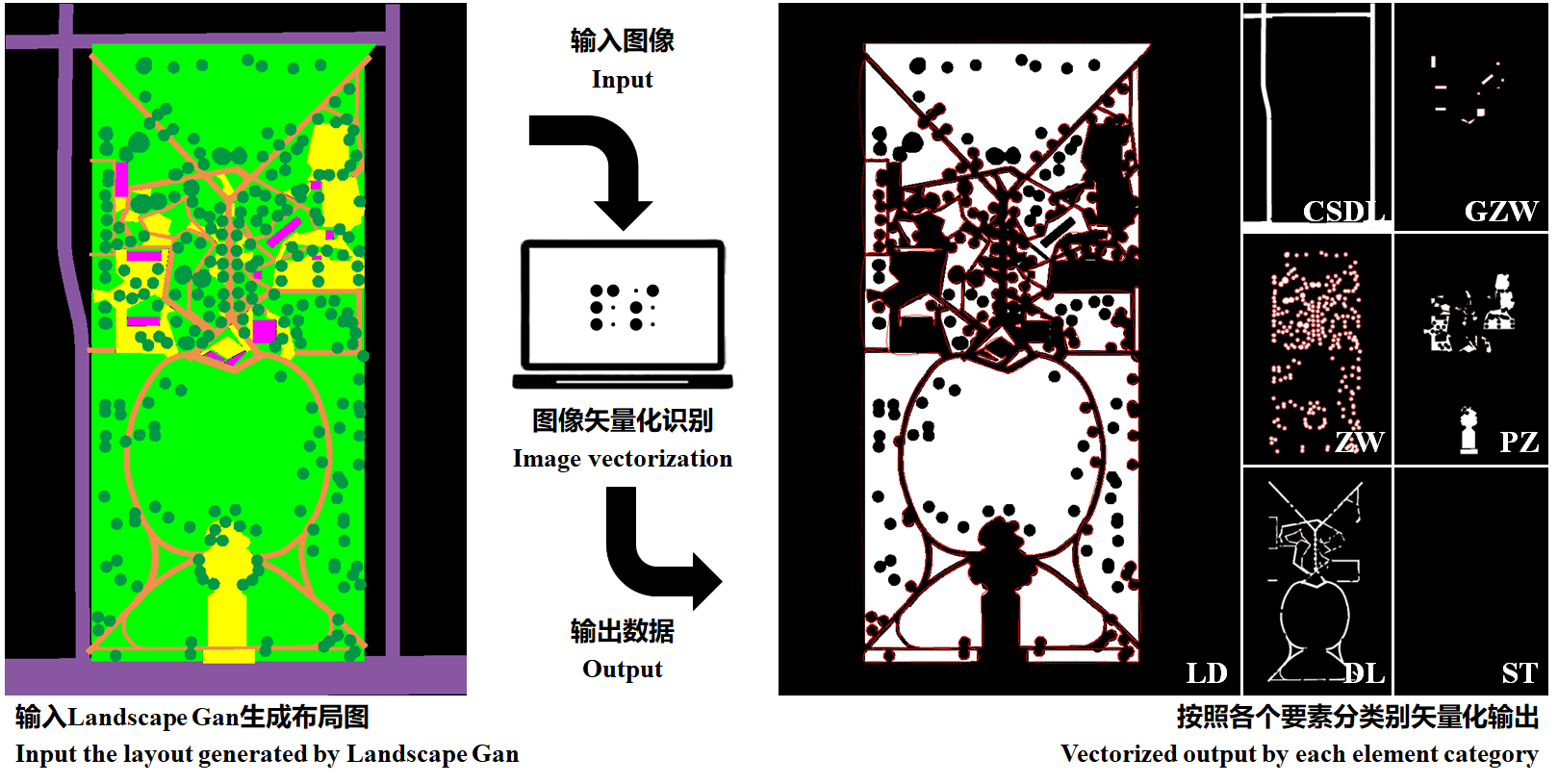
Figure 1 Landscape GAN Generated Layout Example
II. Practical Value and Results
Testing shows that the tool has addressed core needs:
Improved vectorization efficiency: Previously, manual processing of one generative design drawing for a community park took 1 day. Now, after importing the image, vector data of 7 elements can be output within 2 hours, and the accuracy rate of details such as road centerlines and planting points exceeds 85%.
Smooth modeling connection: Vector data can be directly imported into Grasshopper to automatically generate basic models such as structures and green spaces, saving 60% of the time compared to manual modeling.
Assisted scheme evaluation: It can automatically calculate key indicators such as green space ratio and pavement proportion, for example, quickly verifying whether a project meets the regulatory requirement of "green space ratio ≥ 75%" and reducing manual calculation errors.
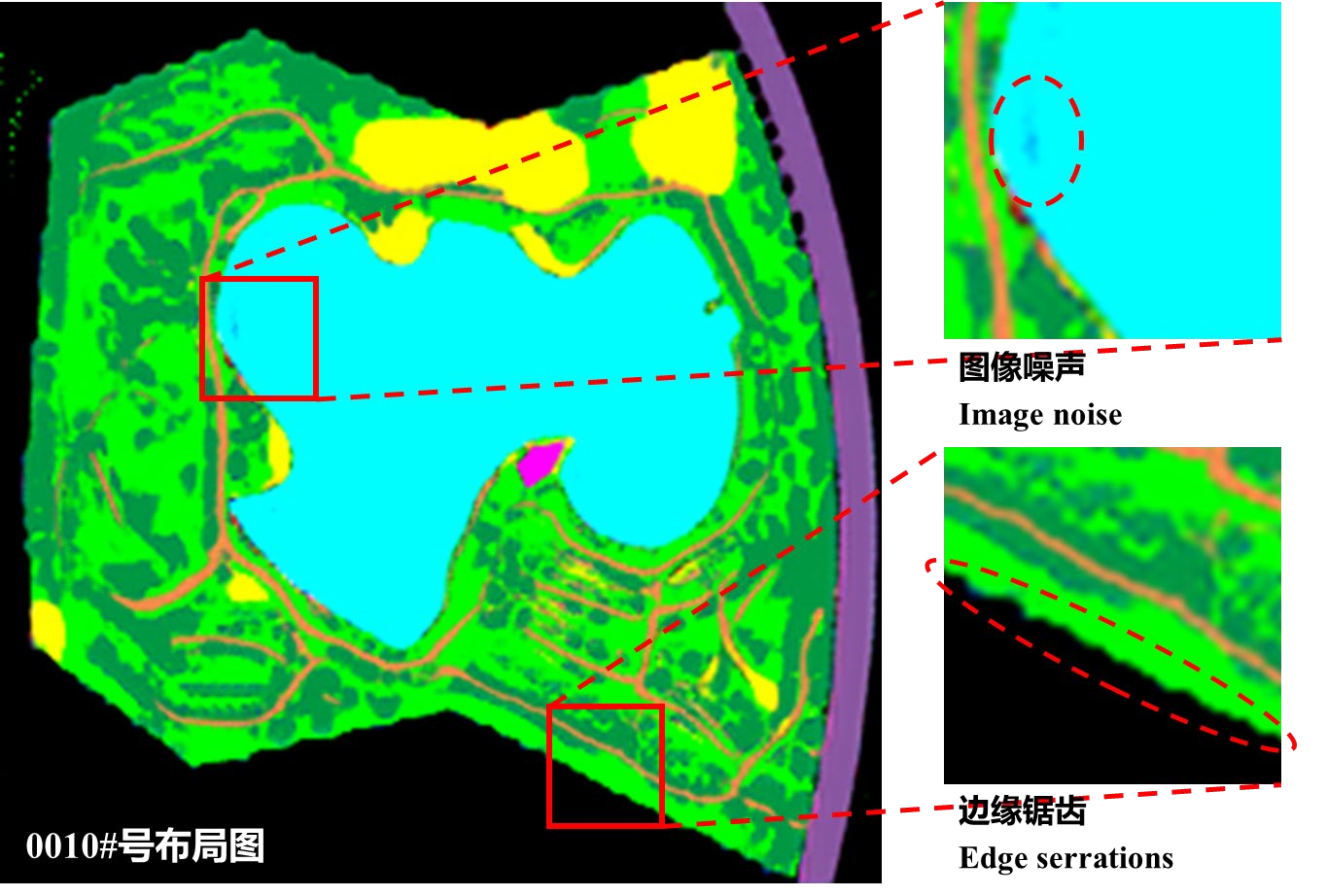
Figure 2 Landscape Architecture Generative Design Layout Example
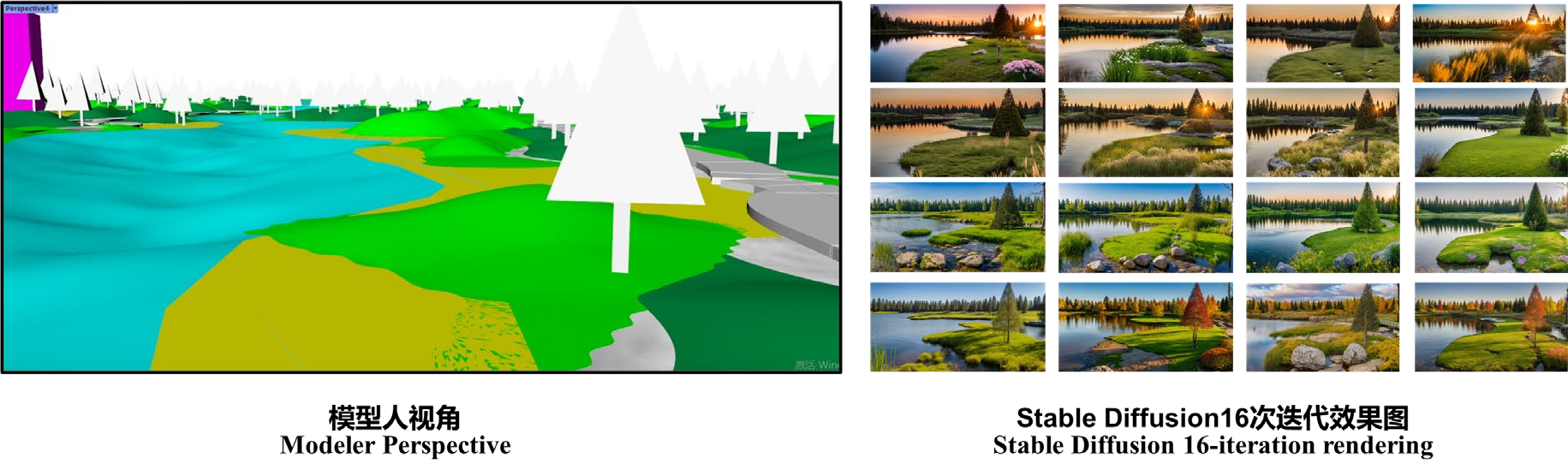
Figure 3 AI-Rendered and Processed Effect Drawing
Currently, the tool is adapted to small and medium-scale projects (such as community parks and campus green spaces), and its basic functions meet daily design needs.
There is still room for optimization in the tool: for large-scale projects (such as urban parks), it can improve vectorization efficiency; it can enhance the recognition of more subdivided elements (such as rockeries and pergolas); and it can achieve better integration with rendering software (such as Lumion). If you are a landscape design company aiming to enhance the efficiency of generating and implementing design concepts, the landscape software team needs to integrate professional vectorization functions, or if a research institution requires customizing a vectorization module for specific scenarios (such as ecological restoration projects), please feel free to contact us. We can provide technical details, such as optimizing large-scale data processing, developing exclusive element recognition algorithms, or integrating with existing design workflows, so that the technology can better meet practical needs and facilitate the implementation of academic achievements in industry practice.